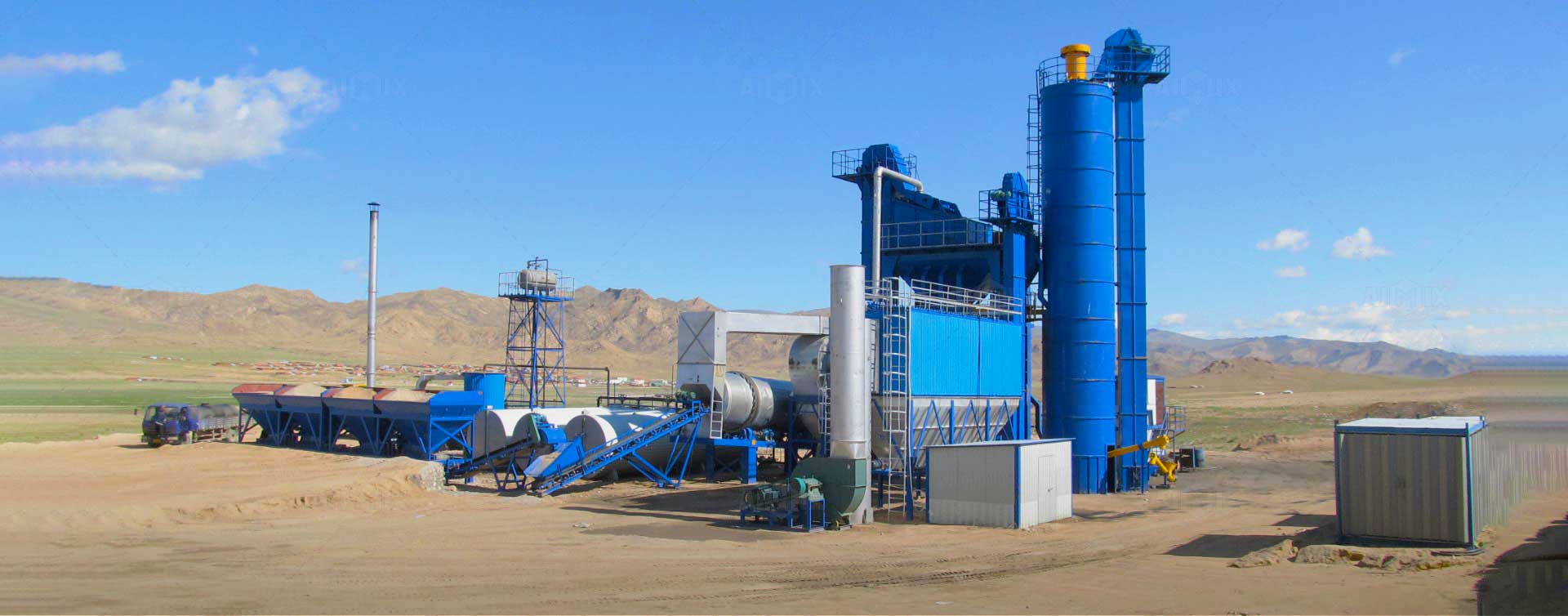
Rural road construction in Latin America faces unique challenges due to remote locations, difficult terrain, and limited infrastructure. To address these challenges, contractors are increasingly investing in mobile asphalt plants. Among the key considerations, the mobile asphalt plant price(planta de asfalto móvil precio) is a major factor for governments and private firms looking to maximize efficiency and cost-effectiveness. Mobile asphalt plants offer flexible deployment, reduced transport costs, and improved operational logistics, making them an essential tool for rural road upgrades.
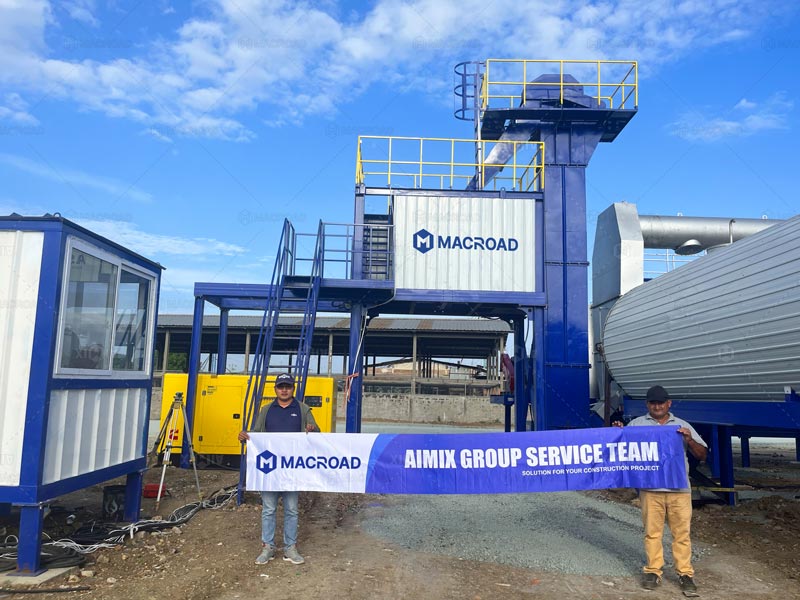
Why Mobile Asphalt Plants Are Ideal for Rural Roads
Traditional stationary asphalt plants require permanent foundations, a reliable supply of electricity and water, and extensive setup time. In rural areas, these requirements often delay projects or increase costs due to transportation and site preparation. Mobile asphalt plants overcome these limitations by being transportable, quick to assemble, and capable of producing high-quality asphalt directly on-site.
For example, in Ecuador, the deployment of an asphalt plant in Ecuador close to construction sites allows contractors to maintain continuous production and paving operations without the delays associated with transporting asphalt over long distances. This approach not only ensures fresh asphalt mix but also reduces fuel consumption and vehicle wear.
Reduced Transportation Costs
Transportation is one of the largest logistical expenses in rural road projects. Traditional stationary asphalt plants(planta de pavimentos) require hauling asphalt long distances, which increases fuel consumption, labor costs, and the risk of asphalt cooling before use. By deploying mobile asphalt plants near the construction site, contractors minimize transport distances and reduce associated costs.
In the Dominican Republic, several rural road projects have successfully implemented an asphalt plant in Dominica Republic on-site. This strategy significantly reduced delivery times, cut transport costs, and allowed for better coordination between asphalt production and paving crews. Projects experienced smoother schedules and improved overall efficiency.
Fast Setup and Deployment
Time efficiency is critical in rural projects, especially in regions affected by seasonal weather. Mobile asphalt plants can be dismantled, transported, and reassembled in a matter of days. This speed enables contractors to move the plant from one site to another quickly, maintaining project continuity without long downtime.
For instance, mobile asphalt plants in Ecuador have been deployed to multiple provincial locations. By quickly relocating the plant to each construction site, teams could start production immediately, accelerating rural road upgrades while avoiding the delays common with stationary plants.
Flexibility for Different Project Scales
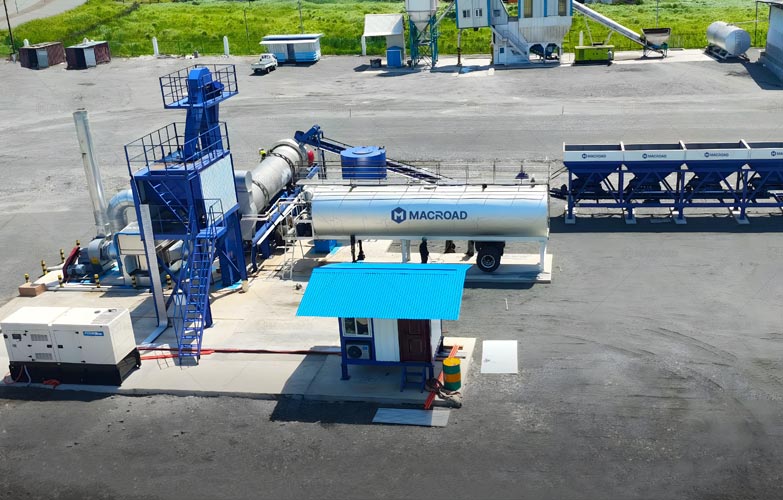
Rural road projects in Latin America vary from small village connectors to major highways. Mobile asphalt plants provide scalability, offering smaller units for local roads and high-capacity units for highways. This flexibility allows contractors to select a plant that matches project requirements without overinvesting.
Access to Remote Locations
Many rural roads traverse challenging terrain, including mountains, forests, and flood-prone areas. Stationary asphalt plants are often impractical in these conditions. Mobile asphalt plants are designed for portability, enabling setup on uneven or constrained sites.
The implementation of an asphalt plant in Ecuador in mountainous provinces demonstrates the benefits of mobility. Contractors could reach remote sites, maintain production continuity, and deliver high-quality paving efficiently.
Improved Scheduling and Coordination
Locating a mobile asphalt plant near the paving site allows precise alignment between production and laying operations. This minimizes delays caused by traffic, long-distance hauling, or equipment idle time. Fresh asphalt is applied promptly, ensuring consistent quality and durability.
Projects in the Dominican Republic using an asphalt plant in Dominica Republic(planta de asfalto República Dominicana) achieved more predictable timelines, with crews able to schedule paving in sync with asphalt production. This coordination improves productivity and reduces costs associated with idle equipment and labor.
Cost-Effectiveness and Strategic Investment
While the initial mobile asphalt plant price may be higher than simply purchasing asphalt from a stationary plant, the long-term benefits are substantial. Reduced transportation, minimized labor, and decreased material waste result in significant cost savings. Furthermore, mobile asphalt plants can be redeployed across multiple projects, enhancing the return on investment.
Competitive Mobile Asphalt Plant Price
Manufacturers now offer a range of mobile asphalt plants with competitive pricing. From mini plants suitable for small village roads to high-capacity plants capable of producing hundreds of tons per hour, the selection allows contractors to choose according to project scale. Investing in a mobile asphalt plant ensures both logistical efficiency and cost-effectiveness over multiple rural road projects.
Environmental and Quality Benefits
Modern mobile asphalt plants are built with environmental compliance in mind. Features such as dust collection, low-emission burners, and fuel-efficient designs reduce environmental impact. Producing asphalt on-site ensures better quality, with fresh mix applied immediately for optimal compaction and adhesion.
Projects in Ecuador using an asphalt plant in Ecuador have shown improved road durability and reduced maintenance needs due to on-site production, highlighting both environmental and performance advantages.
Community and Economic Benefits
Deploying mobile asphalt plants in rural areas also benefits local communities. Local labor can be hired for setup, operation, and paving, creating temporary employment opportunities. By reducing reliance on distant supply chains, funds remain within the local economy, supporting regional development.
Case Studies in Latin America
Dominican Republic
In the Dominican Republic, rural road projects have effectively used an asphalt plant in Dominica Republic to improve village connectivity. Mobile deployment reduced transportation costs, enabled rapid response to multiple sites, and shortened project timelines. Completion times improved by 20-30% compared to relying on stationary asphalt plants.
Ecuador
Several provinces in Ecuador have benefited from deploying mobile asphalt plants. By producing asphalt close to the construction sites, contractors reduced transport-related delays and ensured fresh mix application. This approach, using an asphalt plant in Ecuador(planta de asfalto Ecuador), increased paving efficiency and produced durable roads in challenging terrain.
Conclusion
Mobile asphalt plants are transforming rural road construction in Latin America. With key advantages such as reduced transport costs, rapid deployment, flexible project scaling, and improved scheduling, they address the logistical challenges of remote projects. Considering the mobile asphalt plant price and operational benefits, these plants offer cost-effective solutions while maintaining high-quality asphalt production.
Real-world projects in the Dominican Republic and Ecuador demonstrate that mobile asphalt plants not only improve efficiency but also support local communities and sustainable development. Investing in a mobile asphalt plant is a strategic choice that maximizes project success for rural road upgrades in Latin America.