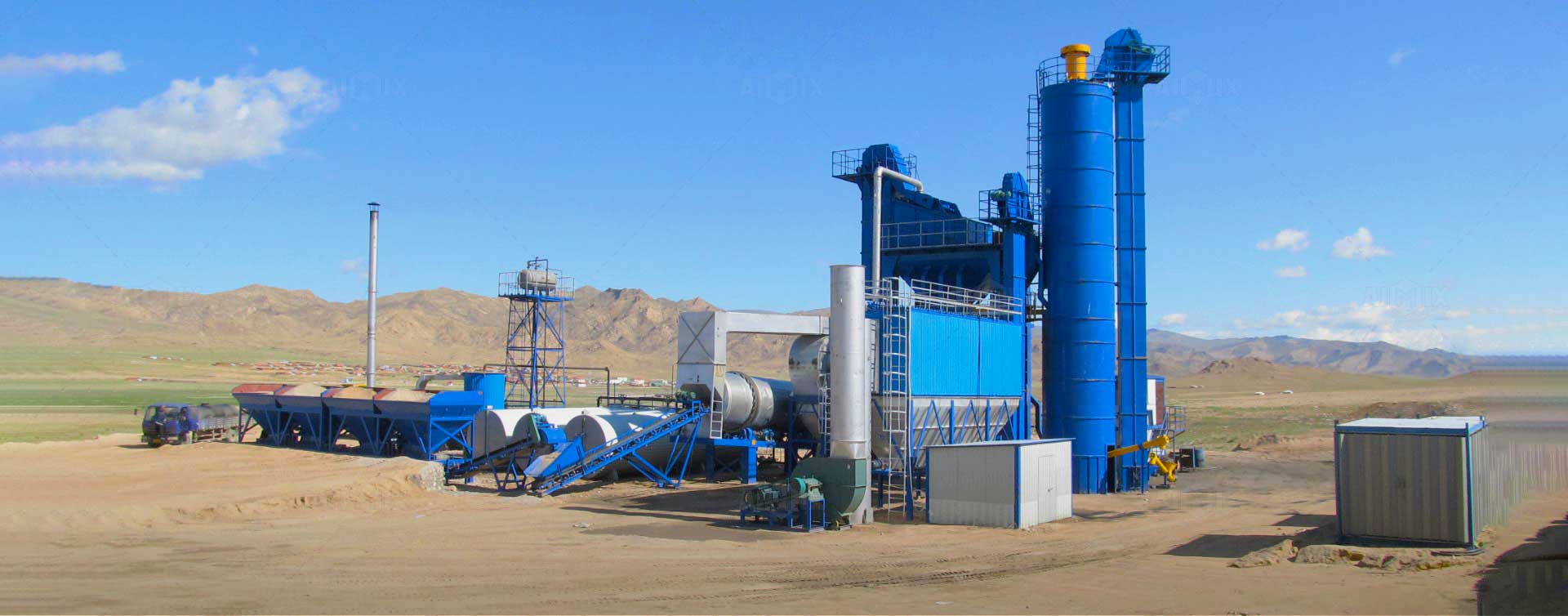
The asphalt mix production business looks simple at first glance. You produce asphalt, deliver it to job sites, and support road construction projects. However, once you step into real operations, you quickly realize that many challenges can affect your profitability, efficiency, and long-term growth.
From fluctuating raw material costs to strict quality requirements, asphalt producers must manage multiple variables at the same time. More importantly, contractors, government clients, and commercial buyers expect consistent quality and on-time delivery. If you fail in any of these areas, you risk losing projects and reputation.
So, what are the most common challenges in asphalt mix production? And more importantly, how can you address them effectively? Let’s break it down from a practical, customer-focused perspective.
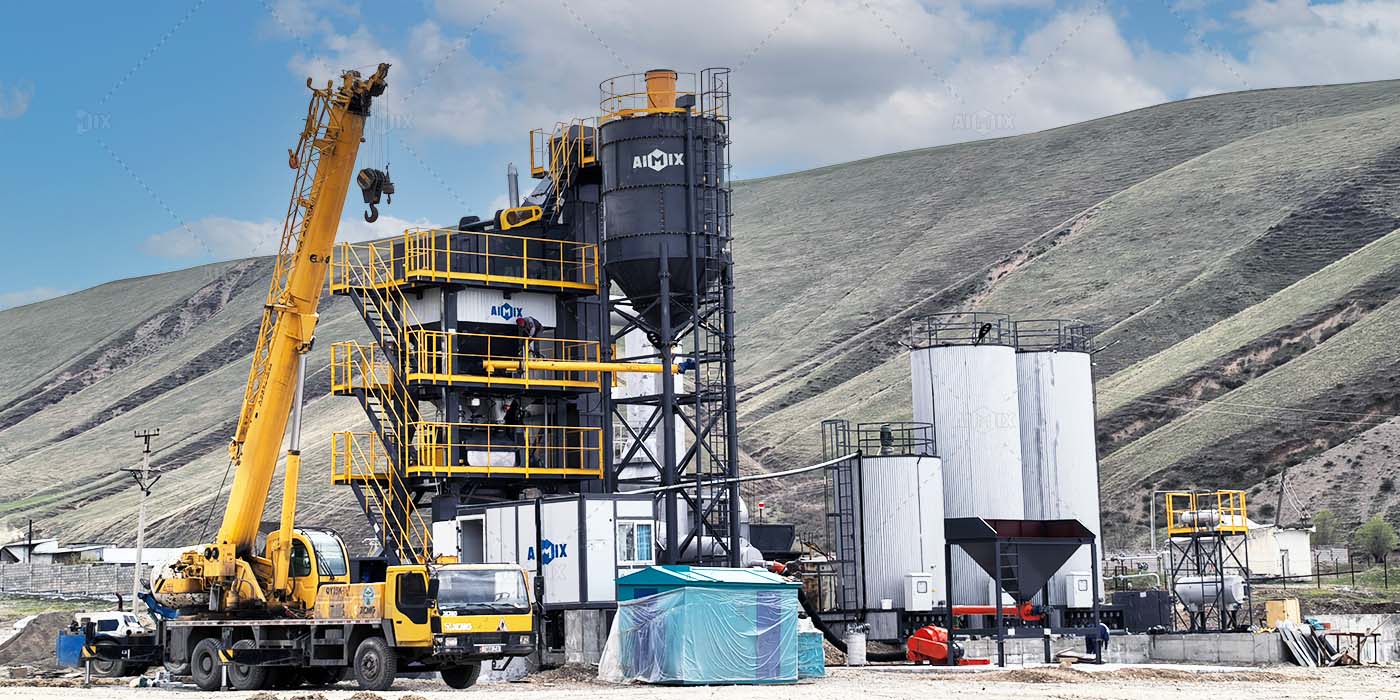
Raw Material Supply And Cost Fluctuation
First of all, raw materials form the foundation of asphalt production. Without stable supply and predictable pricing, your business cannot operate smoothly. Choosing reliable asphalt plant equipment can also help reduce material waste and improve overall efficiency.
In many regions, especially in Southeast Asia, Africa, and Latin America, the availability of aggregates, bitumen, and fillers can change quickly. For example, quarry output may decrease during the rainy season. At the same time, bitumen prices often follow global oil price trends.
Key Challenges
• Unstable aggregate quality from different quarries
• Sudden increase in bitumen prices
• Transportation delays due to weather or infrastructure
• Limited local suppliers in remote project areas
Practical Solutions
To manage this, you should build long-term partnerships with reliable suppliers. In addition, consider sourcing from multiple suppliers to reduce risk. Many successful asphalt producers also keep a safety stock of key materials to avoid project delays.
As a result, you can maintain stable production even when market conditions change.
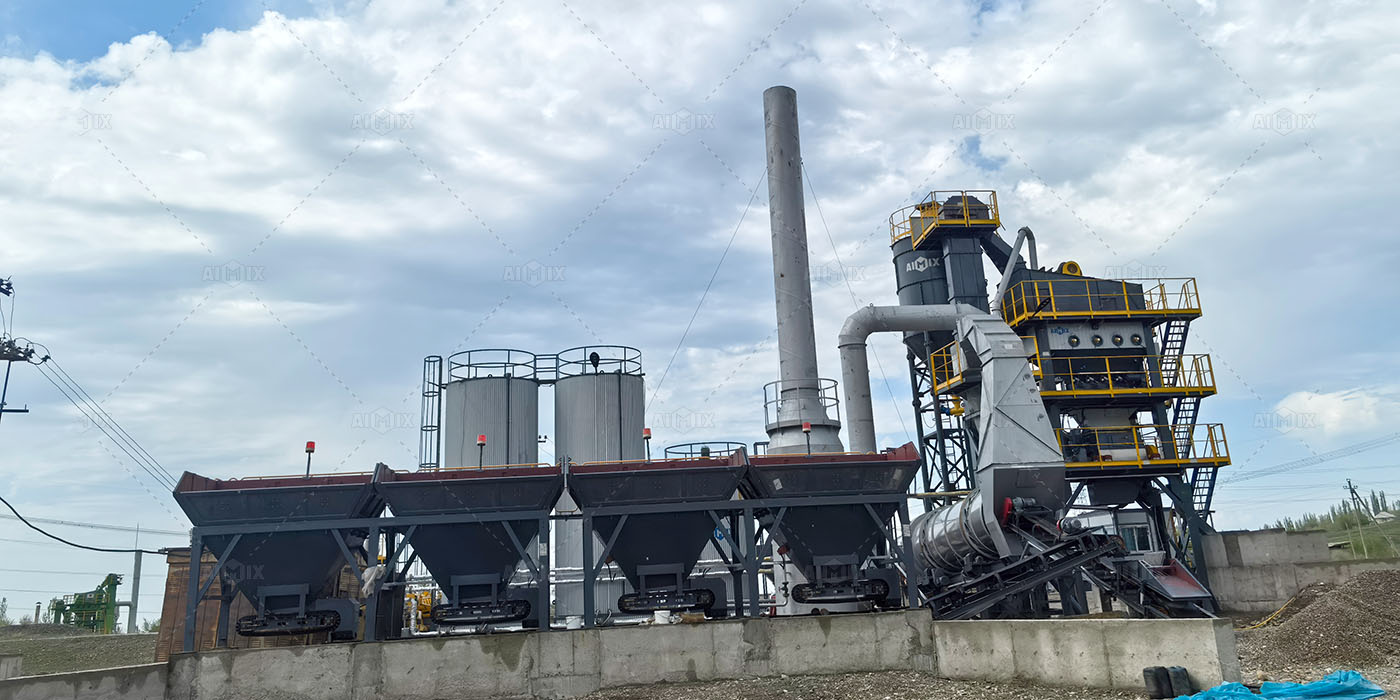
Maintaining Consistent Asphalt Mix Quality
Once raw materials are secured, the next challenge becomes quality control. This is especially important because road contractors and government projects have strict specifications.
If your asphalt mix does not meet standards, the consequences can be serious. Projects may stop. Payments may be delayed. In some cases, you may need to redo the work entirely. Using advanced hot mix asphalt equipment helps ensure stable temperature and precise mixing ratios.
Key Challenges
• Inconsistent aggregate grading
• Incorrect bitumen proportion
• Temperature control issues during mixing
• Lack of proper laboratory testing
Practical Solutions
To ensure consistent quality, you need a well-equipped laboratory and trained technicians. Regular testing of aggregates and finished mix is essential. Moreover, modern asphalt plants with precise control systems can significantly improve accuracy.
For example, batch type asphalt plants are often preferred in markets like Indonesia because they offer better control over mix proportions. This helps contractors meet project specifications more easily.
In short, quality control is not optional. It is a core part of your business success.
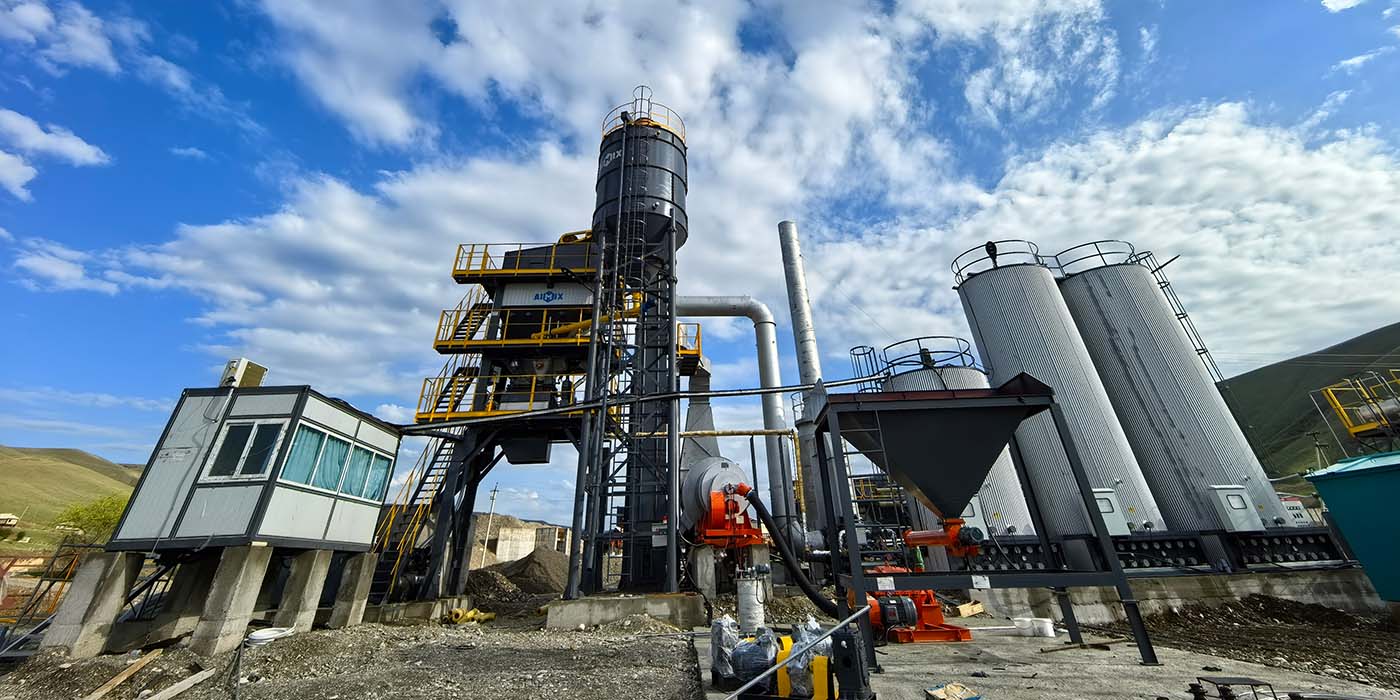
Equipment Reliability And Maintenance
After addressing materials and quality, equipment performance becomes the next critical factor. Even a small breakdown can stop your entire production line.
In real projects, time is money. Delays can lead to penalties and lost opportunities. Therefore, reliable equipment and proper maintenance are essential. Investing in a dependable bitumen batch mix plant can reduce downtime and improve operational stability.
Key Challenges
• Frequent equipment breakdowns
• Lack of spare parts availability
• High maintenance costs
• Untrained operators
Practical Solutions
First, choose high-quality asphalt mixing equipment with proven performance. Second, establish a preventive maintenance schedule instead of waiting for problems to occur.
Additionally, training your operators can make a big difference. Skilled operators can identify issues early and reduce downtime. Many successful companies also keep critical spare parts in stock to ensure quick repairs.
As a result, your plant can run smoothly even during peak project periods.
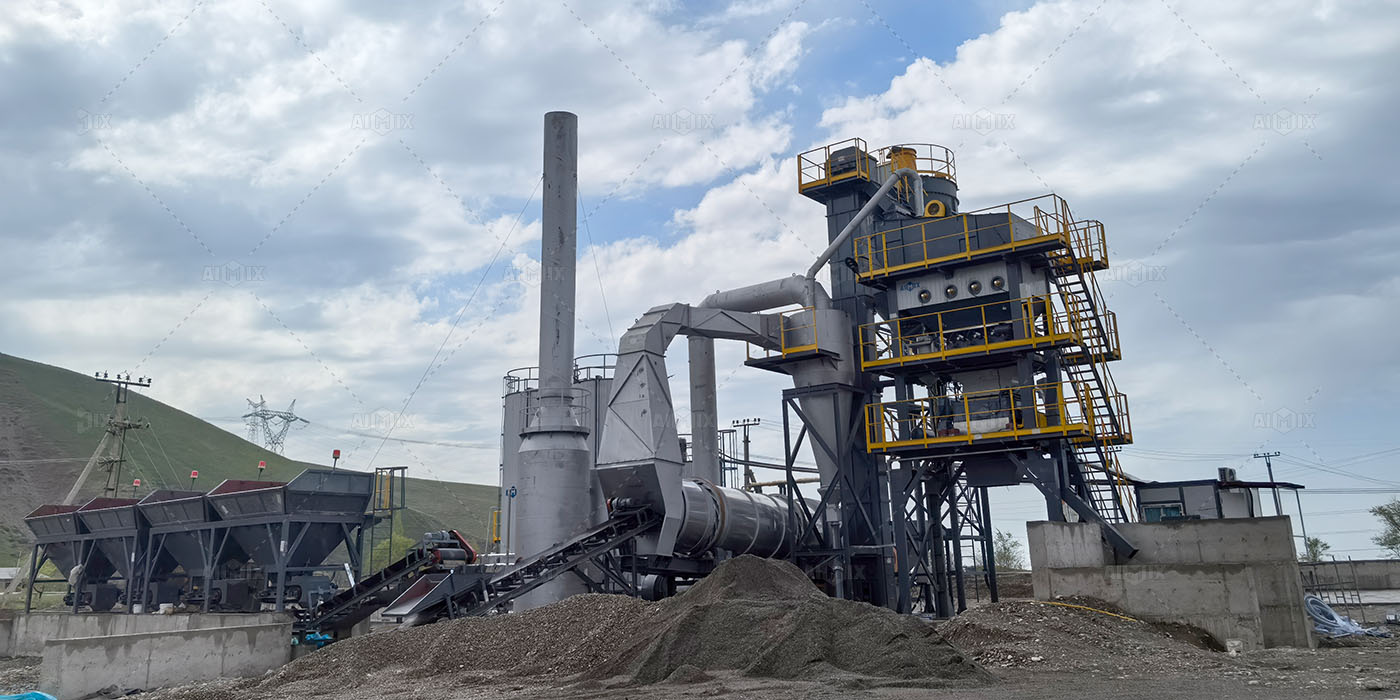
Energy Consumption And Operating Costs
Next, let’s talk about operating costs. Asphalt production requires significant energy, especially for drying aggregates and heating bitumen.
Fuel costs can take up a large portion of your total expenses. Therefore, improving energy efficiency is not just an option—it is a necessity.
Key Challenges
• High fuel consumption in drying drum
• Inefficient burner systems
• Rising electricity costs
• Poor insulation leading to heat loss
Practical Solutions
To reduce costs, you should invest in energy-efficient equipment. For example, advanced burner systems can optimize fuel usage. Proper insulation can also reduce heat loss during production.
Moreover, regular equipment calibration ensures that your plant operates at optimal efficiency. Over time, these improvements can significantly reduce your operating costs.
In other words, small optimizations can lead to big savings.
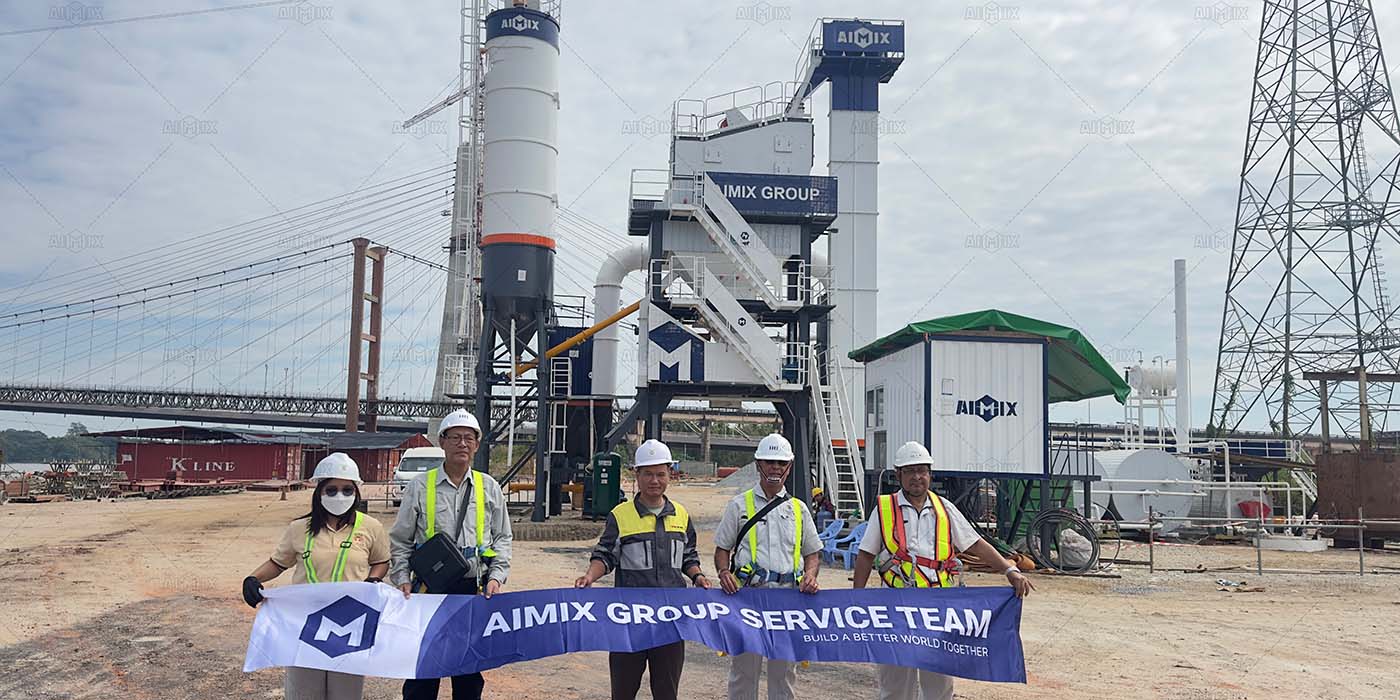
Environmental Regulations And Compliance
As the industry evolves, environmental regulations are becoming stricter. Governments now require asphalt plants to control emissions, dust, and noise.
If your plant does not comply with these regulations, you may face fines or even shutdown orders.
Key Challenges
• Dust emissions from aggregates handling
• Smoke and odor from bitumen heating
• Noise pollution near residential areas
• Waste management requirements
Practical Solutions
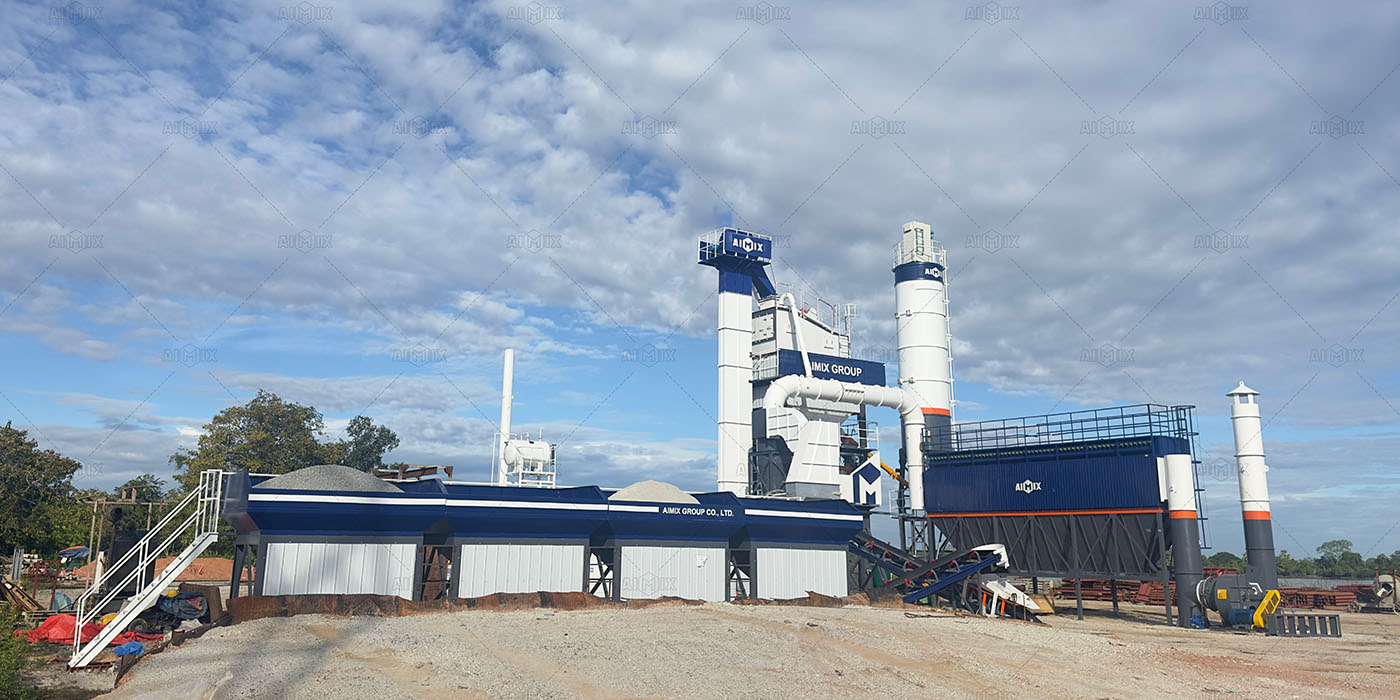
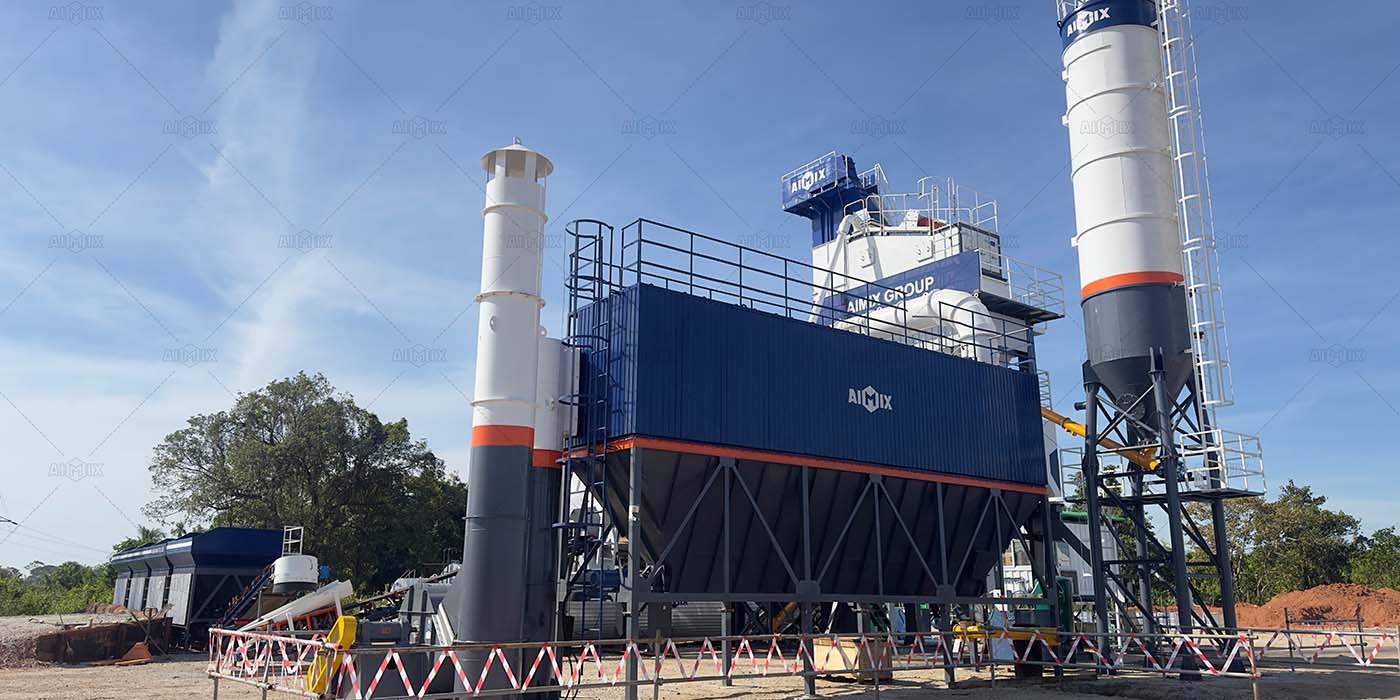
To meet these requirements, you should install dust collection systems, such as baghouse filters. In addition, modern asphalt plants often include environmental protection features as standard.
You can also improve site layout to reduce noise and dust impact. For example, placing the plant away from residential zones can help avoid complaints.
Ultimately, compliance not only protects your business but also improves your brand image.
Logistics And Delivery Challenges
Even if your production runs perfectly, logistics can still create problems. Asphalt is time-sensitive. It must reach the job site at the right temperature and within a limited time.
Therefore, efficient transportation planning is crucial.
Key Challenges
• Traffic congestion in urban areas
• Long transport distances in rural projects
• Limited number of trucks
• Temperature loss during delivery
Practical Solutions
To solve this, you should plan your plant location carefully. Ideally, it should be close to major project sites. In addition, using insulated trucks can help maintain asphalt temperature during transport.
You can also coordinate closely with construction teams to ensure smooth delivery schedules. This reduces waiting time and improves overall efficiency.
As a result, you can deliver high-quality asphalt exactly when it is needed.
Market Competition And Pricing Pressure
Finally, no discussion is complete without addressing market competition. In many regions, the asphalt production business is highly competitive.
Customers often compare prices from multiple suppliers. At the same time, they still expect high quality and reliable service. Working with a professional asphalt mix plant supplier can help you stay competitive through better technology and support.
Key Challenges
• Price competition from local producers
• Pressure to reduce profit margins
• Difficulty in differentiating services
• Unpredictable project demand
Practical Solutions
To stay competitive, you should focus on value rather than price alone. For example, offering consistent quality, reliable delivery, and technical support can set you apart.
In addition, building strong relationships with contractors and project owners can lead to repeat business.
Conclusion: Turning Challenges Into Opportunities
In summary, the asphalt mix production business comes with multiple challenges. However, each challenge also presents an opportunity. With the right strategy and equipment, you can improve efficiency, reduce costs, and win more projects.
Ready To Improve Your Asphalt Production Business?
If you are planning to start or upgrade your asphalt mix production business, now is the right time to evaluate your setup. The right equipment and partner can make a significant difference in your long-term success.
Contact us today to get a customized solution that fits your project needs and market conditions.