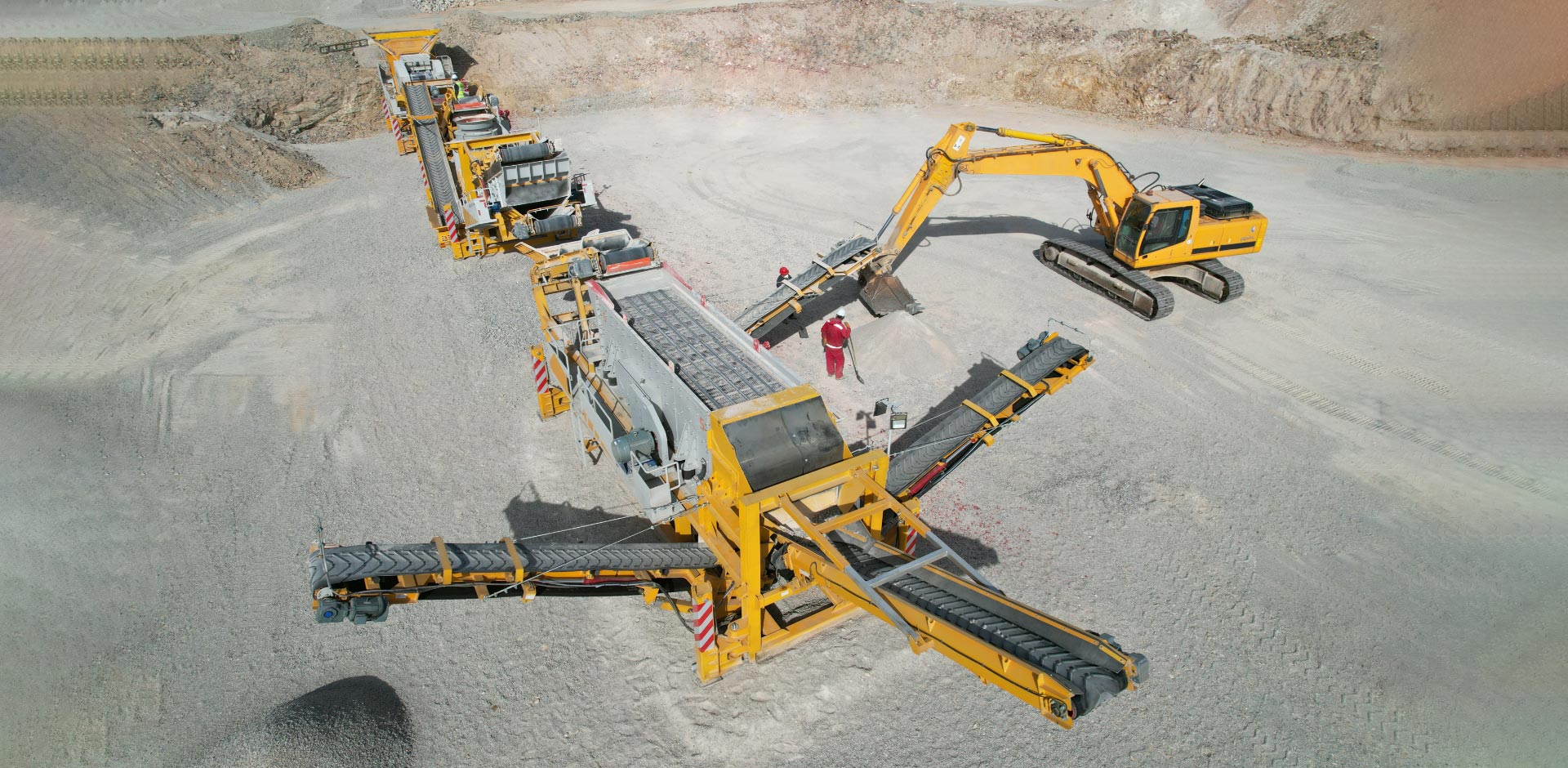
When a construction or demolition project generates a large volume of concrete waste, buying a concrete crushing machine can appear to be an obvious way to reduce disposal costs. Crushing old concrete turns bulky demolition debris into reusable aggregate, potentially creating value from material that would otherwise require hauling and disposal. Yet the economics of concrete recycling do not begin with the crushing machine itself. They begin with the distance between the waste and the place where it can actually be processed or reused.
Transportation can quietly become one of the largest expenses in concrete waste management. Hauling heavy concrete over long distances consumes fuel, occupies trucks, requires loading and unloading, and exposes the project to fluctuating disposal or tipping fees. A concrete crushing machine may therefore be financially attractive not simply because it reduces waste volume, but because it changes where and when the material is processed. Before purchasing equipment, contractors should calculate the full cost of moving concrete waste and compare it with the cost of bringing crushing capability closer to the material.
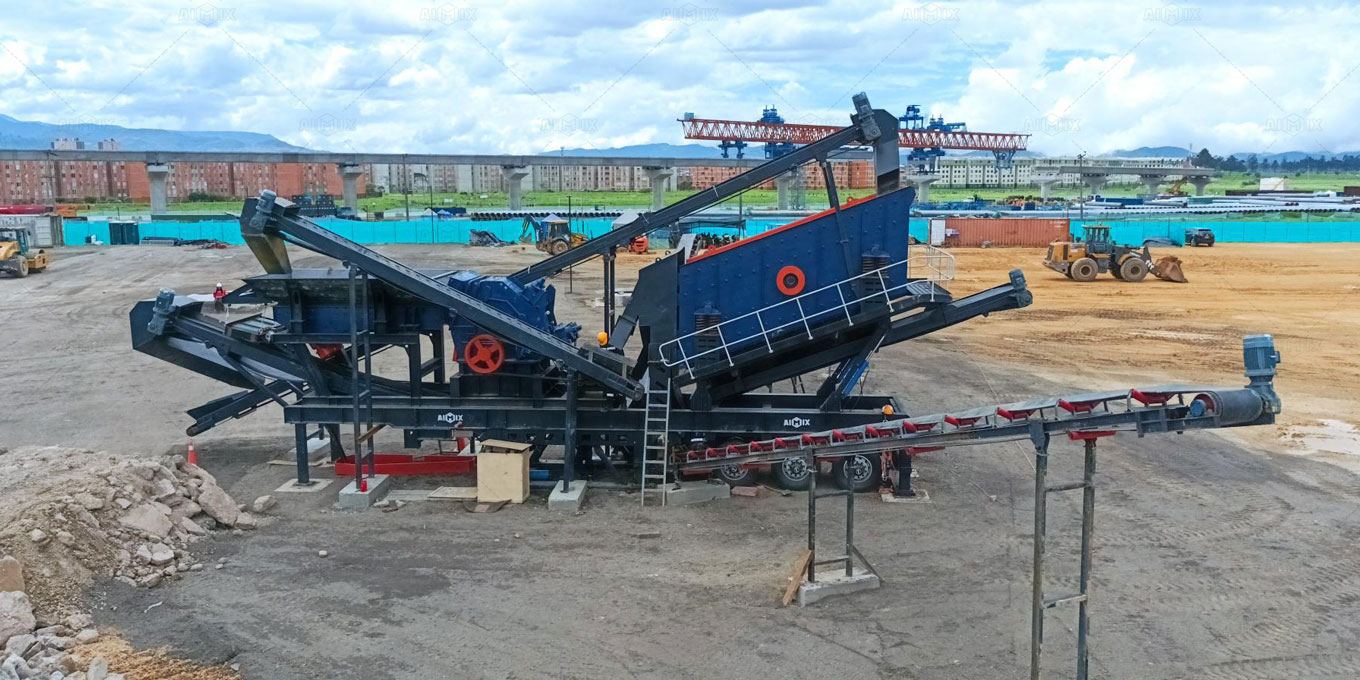
Why Concrete Waste Transportation Can Dominate Recycling Costs
Concrete Is Heavy, Bulky, and Expensive to Move
Concrete demolition waste has an inconvenient economic characteristic: it carries substantial weight before it carries much commercial value. A truck may spend most of its payload capacity transporting material that has not yet been processed into a usable aggregate product.
This creates a logistical paradox. The farther concrete waste travels before crushing, the more money may be spent moving material that could have been processed closer to its source.
Transportation costs are not limited to fuel. Contractors also need to account for truck rental or ownership, driver wages, loading equipment, road tolls where applicable, maintenance, and the time required for each round trip. When disposal facilities are distant, these costs can accumulate rapidly.
Long Haul Distances Increase the Number of Unproductive Truck Hours
Suppose demolition waste must be transported to a construction waste recycling facility located far from the project. Each truck needs to complete a round trip before returning for another load. During that journey, the vehicle is unavailable for other site activities.
The economic impact becomes more pronounced when the project generates hundreds or thousands of tons of concrete. Even if each individual hauling trip appears manageable, the aggregate cost can become substantial.
Transportation Should Be Calculated Per Ton, Not Only Per Truck
A useful approach is to convert transportation expenses into a cost per ton of concrete waste moved. This allows contractors to compare different recycling strategies more objectively.
The calculation should consider:
* Average truck payload
* One-way hauling distance
* Round-trip travel time
* Fuel consumption
* Driver and vehicle costs
* Loading and unloading time
* Disposal or recycling charges
* Number of required trips
Once these figures are combined, the true cost of transporting concrete becomes easier to visualize.
How Crushing Location Changes the Economics of Concrete Recycling
Crushing Concrete at the Source Reduces Material Movement
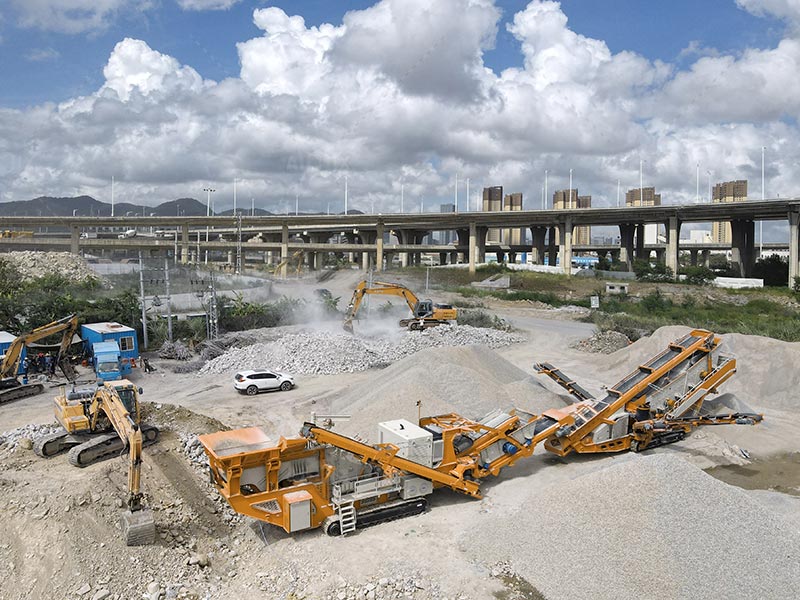
The central economic advantage of a concrete mobile crusher machine is straightforward: process the material closer to where it is generated.
Instead of hauling bulky demolition debris to an external recycling plant, contractors can establish the crushing operation at or near the demolition site. The concrete is reduced into smaller, more manageable aggregate before transportation or reused directly within the project when specifications permit.
This changes the logistics equation.
Rather than transporting large quantities of unprocessed waste away from the site, the project can process the material first and then move the finished aggregate only when necessary.
Crushing Can Convert Waste Transportation Into Aggregate Transportation
The distinction may sound subtle, but it has major economic implications. Demolition waste is often a disposal liability, while properly processed recycled aggregate can become a usable construction material.
Once crushed and screened, concrete can potentially be reused for road base, backfilling, subbase, drainage applications, or other suitable construction purposes, depending on project specifications and local requirements.
Less Waste Leaving the Project Site
Source crushing can reduce the volume and bulk associated with waste handling. More importantly, it can shorten the distance between material generation and material reuse.
For projects with sufficient space, the crushed material may be stockpiled temporarily and incorporated into subsequent construction stages. This creates a more circular material flow instead of a linear sequence of demolition, hauling, disposal, and new aggregate purchasing.
Mobile Crushing Can Be Especially Valuable for Demolition Projects
Demolition sites frequently change as structures are dismantled. A fixed recycling facility may remain in one location while the waste generation point moves.
A mobile concrete crushing machine reverses that arrangement. The crushing equipment moves toward the material.
This mobility can be advantageous for building demolition, road reconstruction, bridge removal, concrete pavement replacement, and large infrastructure projects where substantial quantities of concrete are generated across different work zones.
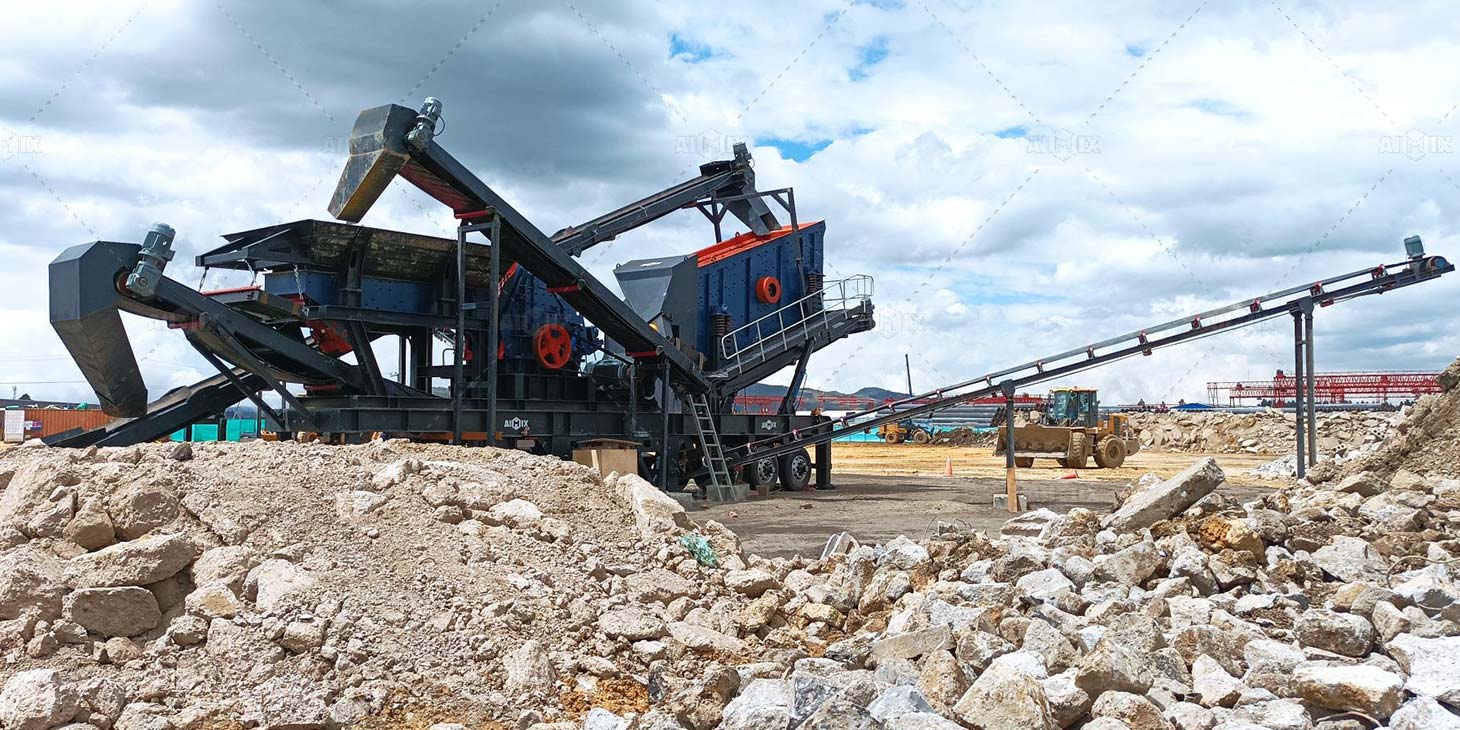
What to Calculate Before Purchasing a Concrete Crushing Machine
Compare the Existing Hauling Model With On-Site Crushing
Before purchasing a concrete crushing machine, contractors should establish a baseline using the current waste-handling method.
The first scenario is conventional hauling:
Demolition → Loading → Trucking → External recycling/disposal → Return
The second scenario is on-site processing:
Demolition → On-site crushing → Stockpiling or direct reuse
The cost difference between these two models provides a more meaningful basis for equipment investment than the machine purchase price alone.
Calculate the Break-Even Point
A simple break-even calculation can reveal whether purchasing or renting crushing equipment makes economic sense.
The calculation should include the equipment purchase or rental cost, transportation and mobilization, operator labor, fuel or electricity, wear parts, maintenance, and site preparation. These expenses should then be compared with the hauling, disposal, and replacement aggregate costs that the crushing operation can eliminate.
For example, if a project generates a large volume of concrete waste and faces high hauling costs, the avoided transportation expenses may offset the crushing equipment investment relatively quickly.
Conversely, if only a small quantity of concrete is available and the disposal facility is nearby, purchasing dedicated equipment may not be economical.
Do Not Ignore the Value of Recycled Aggregate
The calculation should not stop at avoided disposal expenses. Recycled concrete aggregate may also reduce the amount of virgin aggregate that needs to be purchased, transported, and delivered to the project.
This creates a second economic benefit.
Consider Both Cost Avoidance and Material Recovery
The financial equation can therefore be viewed as:
Economic Benefit = Avoided Waste Hauling + Avoided Disposal Costs + Recovered Aggregate Value − Crushing and Operating Costs
The actual value depends on material quality, local regulations, project specifications, equipment productivity, and the intended application of the recycled aggregate.
Consider the Machine’s Actual Operating Conditions
Not every concrete crushing machine is equally suited to every recycling project. Contractors should examine feed size, concrete hardness, embedded steel, required output size, expected throughput, mobility requirements, and available working space.
Reinforced concrete can introduce additional considerations because steel bars and other embedded materials may need to be removed or managed before or during crushing.
The objective is not to purchase the largest crusher available. It is to select a machine whose capacity and configuration correspond to the project’s material flow.
Ultimately, the economics of concrete recycling are often determined before the first ton enters the crusher. Transportation distance, truck utilization, disposal fees, aggregate replacement costs, and the location of the crushing operation can collectively outweigh the difference between one equipment model and another.
A concrete crushing machine becomes particularly compelling when it eliminates repeated long-distance hauling and allows recovered material to remain close to the project. The machine is then doing more than crushing waste. It is restructuring the project’s material logistics.
For contractors evaluating concrete recycling equipment, the most important question is therefore not simply, “How much does the crushing machine cost?” A better question is, “How much does it cost to keep moving this concrete waste without one?” Once transportation, disposal, and recovered aggregate value are calculated together, the economic role of on-site crushing becomes considerably clearer.