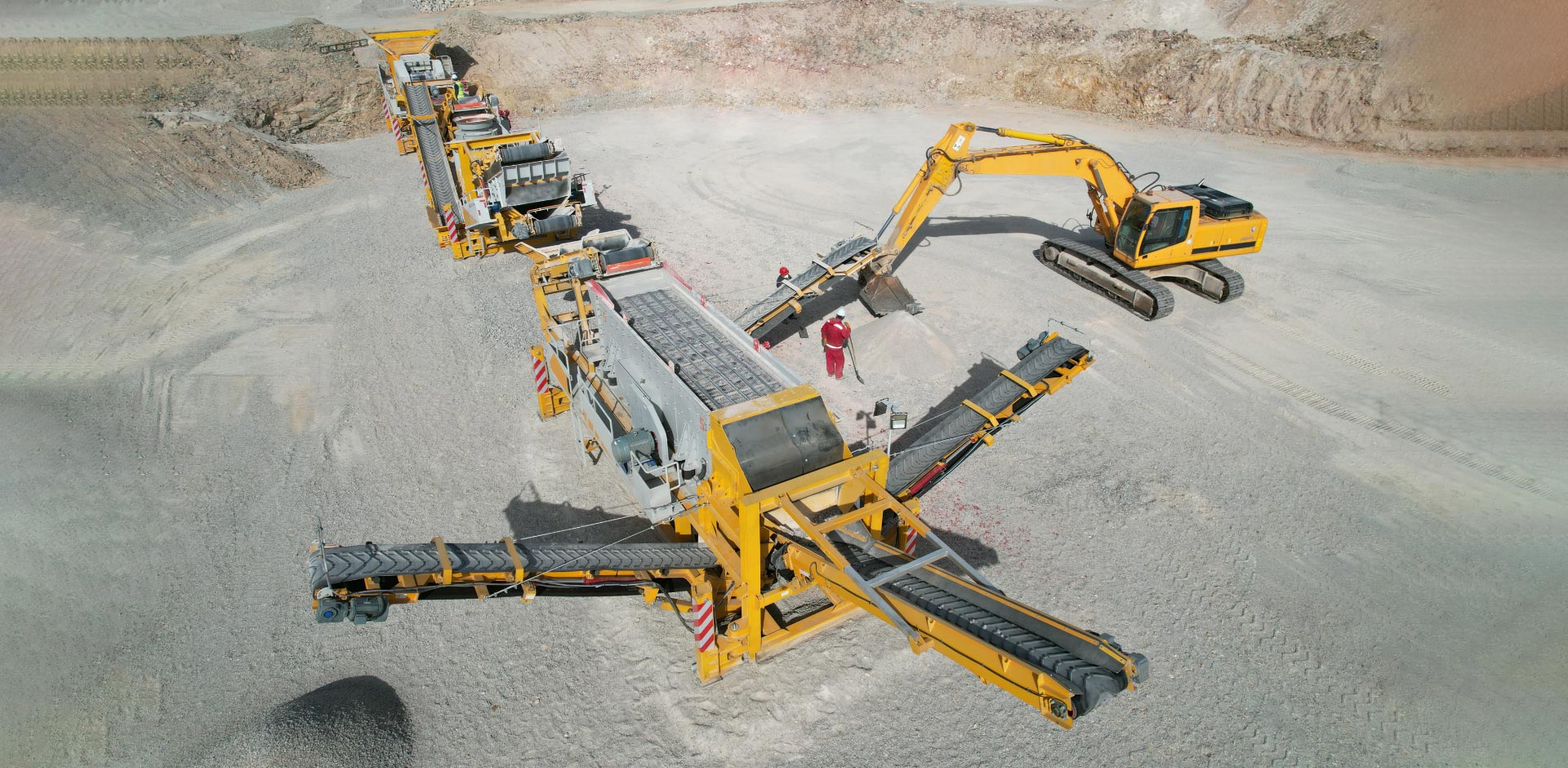
A sand and aggregate production line involves several interconnected processes, including feeding, crushing, screening, conveying, and stockpiling. Although each machine may have sufficient individual capacity, poor coordination between processing stages can restrict the output of the entire plant. Crushers may discharge material faster than vibrating screens can handle, while unsuitable particle sizes can increase recirculation and create unnecessary workloads. These problems reduce production efficiency and raise operating costs. Preventing bottlenecks requires matching equipment capacities, understanding raw material characteristics, and maintaining a continuous flow throughout the production process.
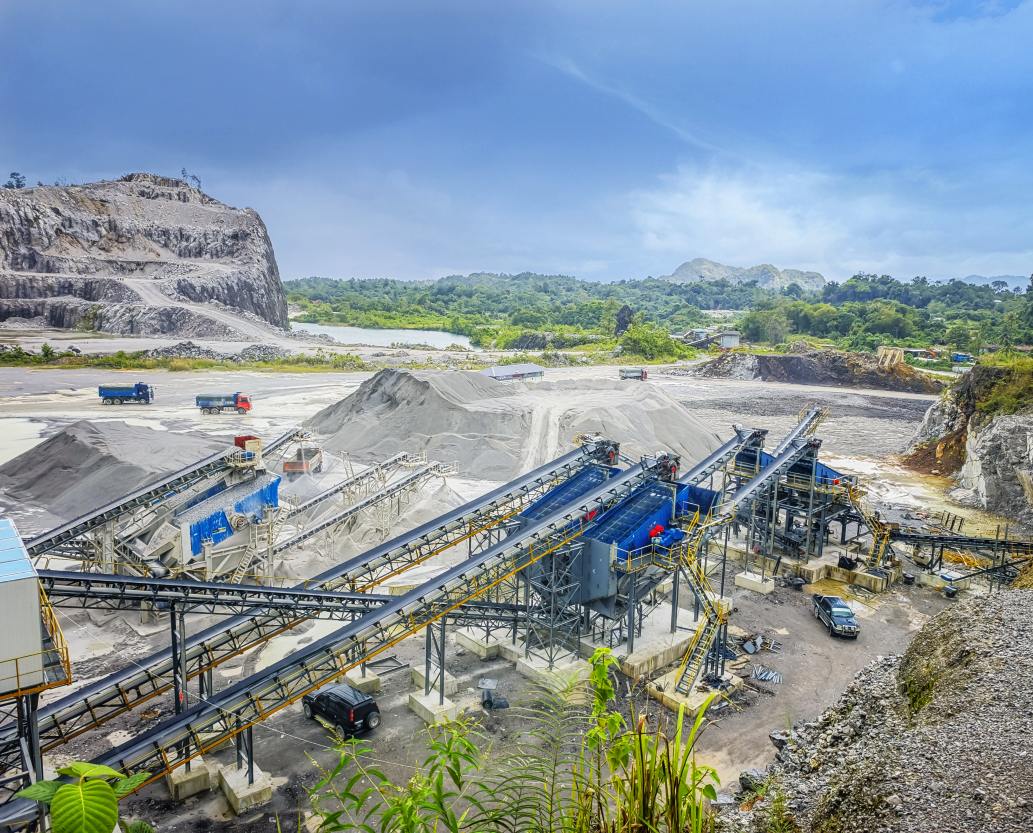
1. Understand the Main Causes of Production Bottlenecks
Crushing and screening have different functions but depend heavily on each other. Crushers reduce large rocks into smaller particles, while vibrating screens classify the material according to the required product sizes. When the crusher produces more material than the screening system can process, crushed rock accumulates between the two stages. If screening capacity is significantly higher than crusher output, some equipment remains underutilized.
Common causes of bottlenecks include:
- Uneven feeding: Irregular raw material supply causes fluctuations in crusher loading and downstream production.
- Capacity mismatch: The effective processing capacity of one machine is lower than the material flow it receives.
- Excessive recirculation: Poor crushing settings or screening efficiency send too much material back for additional reduction.
- Screen blockage: Wet, sticky, or clay-rich materials reduce the effective screening area.
- Conveyor limitations: Insufficient conveying capacity interrupts material transfer between processing stages.
Identifying the source of a bottleneck is more effective than simply increasing the power or capacity of one machine. The entire production process should be evaluated before making equipment adjustments.
2. Match Crushing Equipment to Raw Material Characteristics
Rock hardness, abrasiveness, feed size, and particle shape influence crushing performance. These characteristics determine the type of crusher, crushing stages, and operating settings required for stable production.
For example, quartz is a hard and abrasive material that can accelerate wear on crushing components. A quartz rock crusher configuration should therefore consider suitable crushing chambers, wear-resistant liners, and maintenance intervals. If excessive wear changes the discharge opening, the resulting particle distribution may also affect the workload of downstream screens.
Basalt presents similar challenges because of its high hardness and abrasiveness. A basalt crusher production setup commonly uses jaw crushing for primary reduction and cone crushing for subsequent processing. The crushing stages should be configured to achieve the required aggregate sizes without placing unnecessary pressure on individual machines. Appropriate feed control also helps maintain consistent output when the rock deposit contains variations in size and strength.
3. Use Pre-Screening to Reduce Unnecessary Crushing Loads
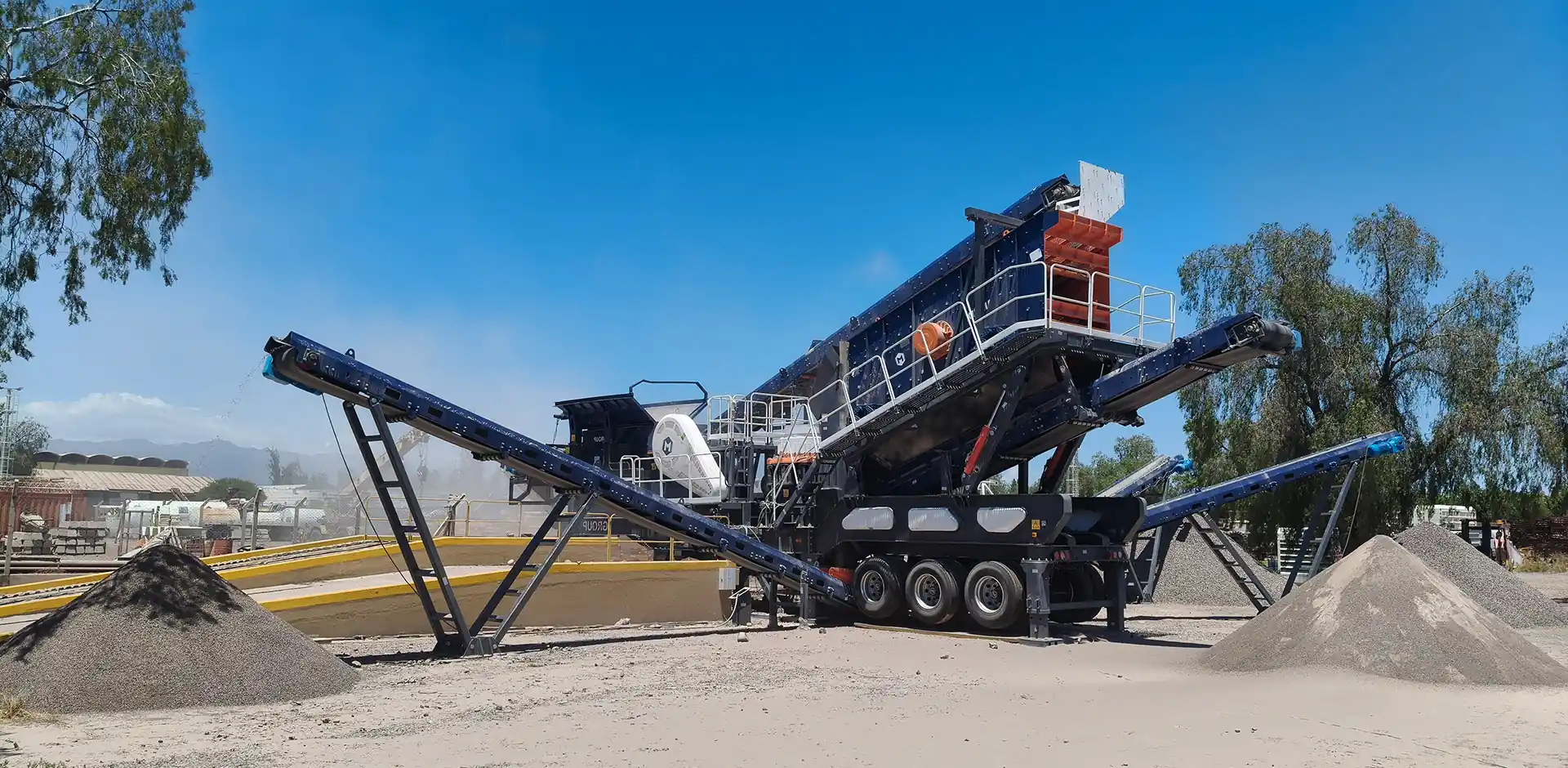
Pre-screening separates undersized particles before they enter the primary or secondary crusher. This prevents material that already meets certain size requirements from undergoing additional crushing, reducing unnecessary energy consumption and wear.
In deposits containing natural fines, soil, or weathered rock, a vibrating grizzly feeder or roller screen can help remove unwanted materials before primary crushing. This is particularly useful when the raw feed contains a considerable proportion of fine particles that do not require further size reduction.
Pre-screening can also improve downstream screening performance by reducing the amount of unnecessary material passing through the production circuit. However, separated fines should be evaluated for potential use rather than automatically discarded. Depending on their cleanliness and particle distribution, they may be suitable for certain filling or construction applications.
4. Optimize Secondary Crushing and Screening
Secondary crushing and screening largely determine whether a production line can maintain the required aggregate gradation. In a closed-circuit system, vibrating screens separate finished particles from oversized material and return the latter to the crusher for further reduction.
This arrangement helps control product sizes, but excessive recirculation can create a bottleneck. If too much material repeatedly passes through the crusher, the effective production capacity decreases and energy consumption increases.
For cobblestone deposits, the configuration of a cobblestone crusher line should consider both material hardness and the desired particle shape. Jaw crushers can handle primary reduction, while cone or impact crushers may be selected for subsequent processing according to the application. When manufactured sand is also required, a vertical shaft impact crusher can provide an additional shaping stage.
To improve circuit performance, operators should adjust crusher discharge settings, select appropriate screen mesh sizes, and monitor the volume of returned material. Each crushing stage should have a defined reduction task rather than repeatedly processing particles without improving the final product.
5. Improve Conveying and Material Transfer Efficiency
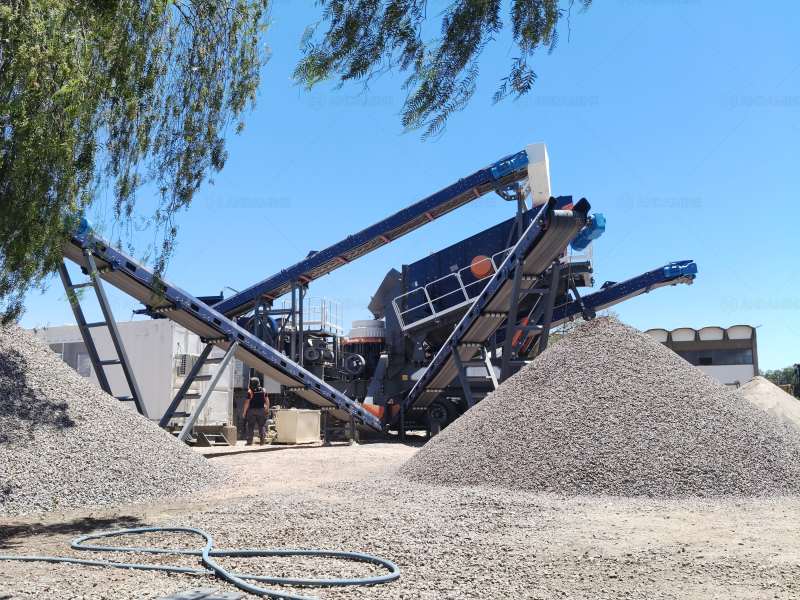
Crushers and screens cannot maintain continuous production if the conveying system becomes a restriction. Belt conveyors must accommodate the actual material flow from each processing stage. Transfer points should be designed to minimize spillage, material buildup, and blockages.
Surge bins and intermediate stockpiles can provide temporary storage when equipment operates at different rates. For example, a buffer between secondary crushing and screening can absorb short-term variations in material discharge. This helps prevent a brief interruption in one stage from immediately stopping the entire production line.
Plant layout also matters. Shorter and more direct material routes can reduce unnecessary transfers, while suitable conveyor angles and discharge arrangements support stable material movement. Maintenance access should be considered during layout planning so that inspections and repairs do not require extensive production shutdowns.
6. Monitor Equipment Performance and Maintain Stable Output
Regular production monitoring helps operators detect bottlenecks before they cause extended downtime. Important indicators include crusher feed rate, screen loading, conveyor operating conditions, recirculation volume, and the quantity of finished products. Comparing actual output with planned production can reveal whether performance problems come from material changes, incorrect settings, or mechanical wear.
Maintenance should focus on components that directly influence material processing. Worn crusher liners can change crushing performance, while damaged or blocked screen meshes reduce classification efficiency. Conveyor belt damage, bearing problems, and loose structural connections can also interrupt material transfer. Routine inspections and timely replacement of wear parts help maintain stable operation.
When raw material characteristics change, operators should reassess feeding rates and equipment settings. A production line optimized for dry, uniformly sized rock may not perform equally well when processing wet or mixed-size material.
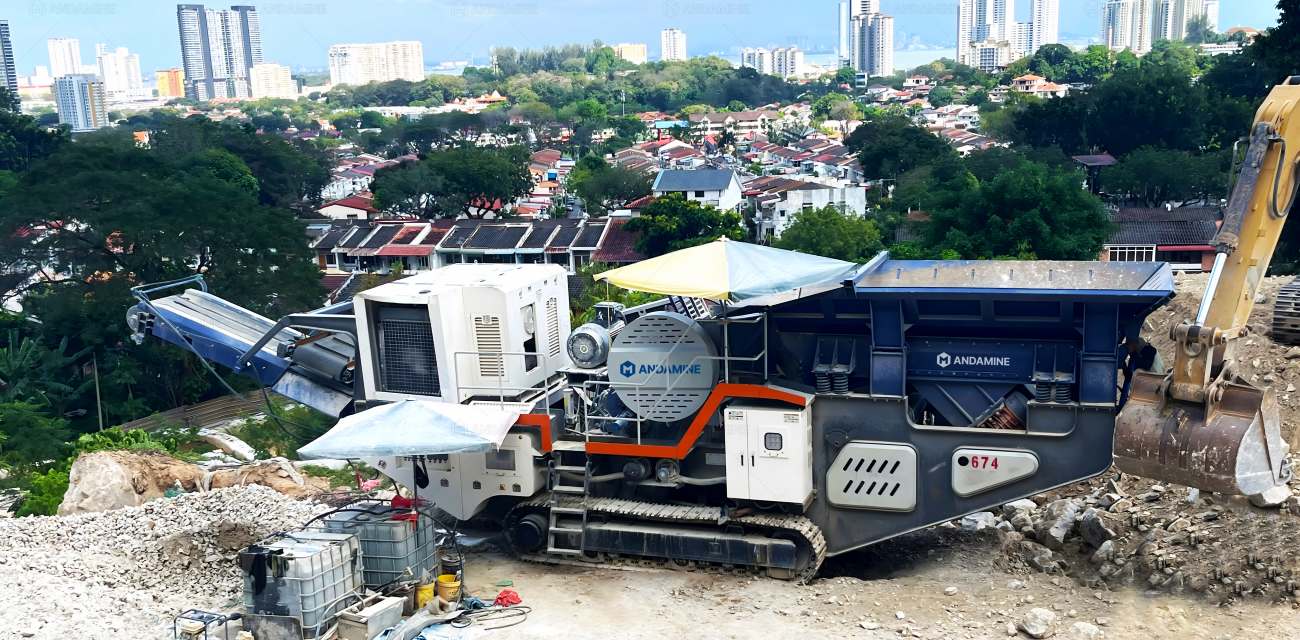
Build a Better-Coordinated Sand and Aggregate Production Line
Preventing bottlenecks between crushing and screening requires more than selecting high-capacity machines. Producers need to consider raw material properties, crushing ratios, screening efficiency, conveying capacity, and equipment maintenance as parts of one integrated system. By matching each processing stage to actual production requirements and monitoring material flow continuously, a sand and aggregate production line can reduce unnecessary recirculation, improve finished product consistency, and achieve more reliable operating performance.